𝐄𝐥𝐨𝐧 𝐌𝐮𝐬𝐤 𝐁𝐞𝐜𝐨𝐦𝐢𝐧𝐠 𝐀 𝐓𝐫𝐢𝐥𝐥𝐢𝐨𝐧𝐚𝐢𝐫𝐞 𝐃𝐨𝐞𝐬 𝐍𝐨𝐭 𝐌𝐞𝐚𝐧 𝐓𝐡𝐞 𝐖𝐨𝐫𝐥𝐝 𝐇𝐚𝐬 𝐋𝐞𝐬𝐬 𝐌𝐨𝐧𝐞𝐲
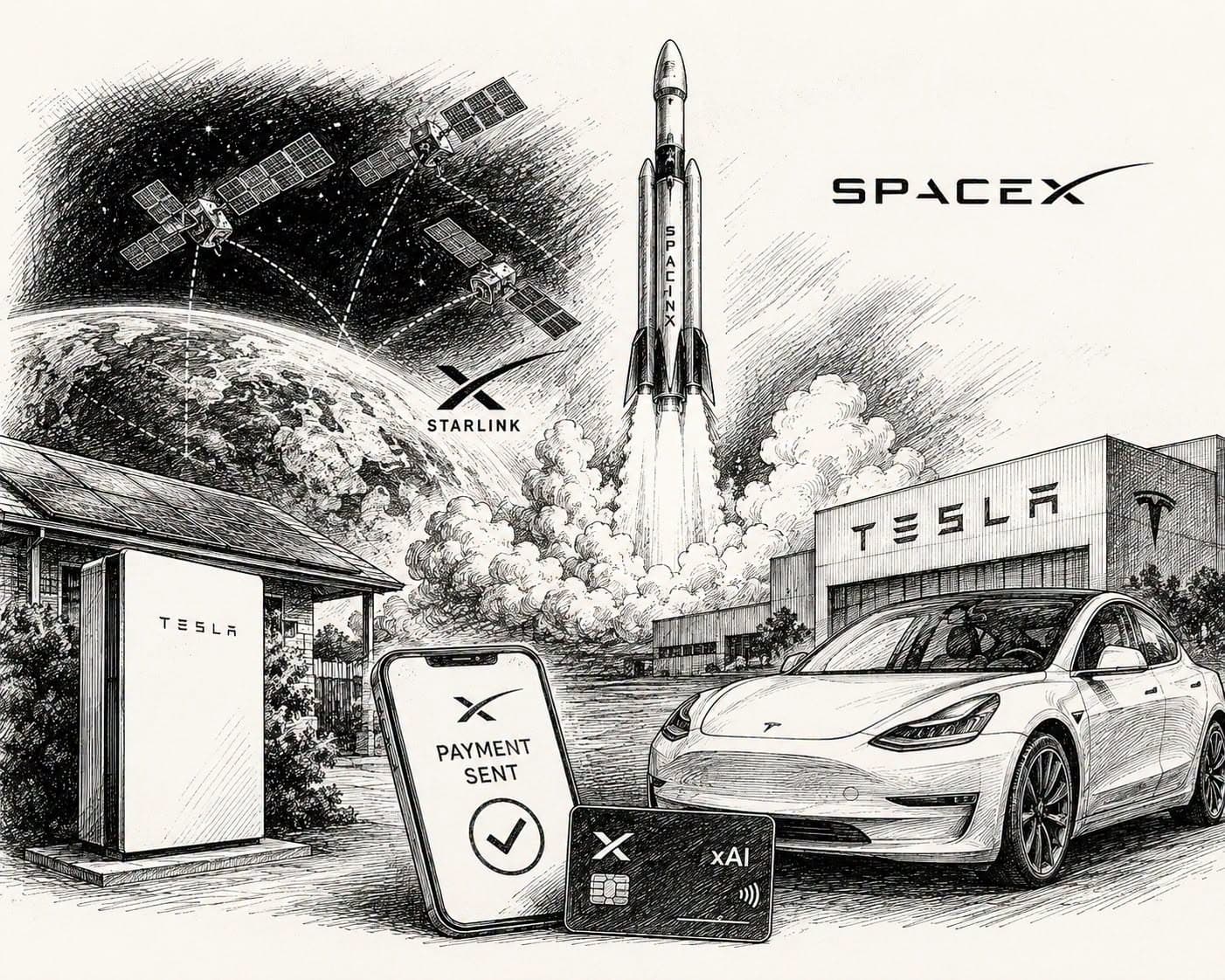
When news broke that Elon Musk had become the world's first trillionaire, I read interesting comments. They sound like this:
"If one person has one trillion dollars, doesn't that mean everyone else has less?"
It sounds logical. After all, if there are ten slices of pizza and one person takes eight, there are only two left for everyone else.
But economies are not pizzas.
They are factories.
𝐓𝐡𝐞 𝐦𝐢𝐬𝐭𝐚𝐤𝐞 𝐢𝐬 𝐚𝐬𝐬𝐮𝐦𝐢𝐧𝐠 𝐰𝐞𝐚𝐥𝐭𝐡 𝐢𝐬 𝐚 𝐟𝐢𝐱𝐞𝐝 𝐩𝐢𝐥𝐞 𝐨𝐟 𝐦𝐨𝐧𝐞𝐲 𝐰𝐚𝐢𝐭𝐢𝐧𝐠 𝐭𝐨 𝐛𝐞 𝐝𝐢𝐯𝐢𝐝𝐞𝐝. 𝐈𝐧 𝐫𝐞𝐚𝐥𝐢𝐭𝐲, 𝐰𝐞𝐚𝐥𝐭𝐡 𝐢𝐬 𝐜𝐨𝐧𝐬𝐭𝐚𝐧𝐭𝐥𝐲 𝐛𝐞𝐢𝐧𝐠 𝐜𝐫𝐞𝐚𝐭𝐞𝐝.
Suppose a farmer discovers a way to grow twice as much food using the same land. Nobody became poorer. Yet society is now wealthier because more food exists.
Suppose an engineer invents a machine that allows one worker to do the work of ten. Society is now capable of producing more.
Much of modern wealth comes from exactly this process.
Elon Musk's fortune did not appear because he took a trillion dollars out of a giant vault and transferred it into his bank account. 𝐌𝐨𝐬𝐭 𝐨𝐟 𝐡𝐢𝐬 𝐰𝐞𝐚𝐥𝐭𝐡 𝐞𝐱𝐢𝐬𝐭𝐬 𝐨𝐧 𝐩𝐚𝐩𝐞𝐫 𝐢𝐧 𝐭𝐡𝐞 𝐟𝐨𝐫𝐦 𝐨𝐟 𝐨𝐰𝐧𝐞𝐫𝐬𝐡𝐢𝐩 𝐬𝐭𝐚𝐤𝐞𝐬 𝐢𝐧 𝐜𝐨𝐦𝐩𝐚𝐧𝐢𝐞𝐬 𝐭𝐡𝐚𝐭 𝐢𝐧𝐯𝐞𝐬𝐭𝐨𝐫𝐬 𝐛𝐞𝐥𝐢𝐞𝐯𝐞 𝐰𝐢𝐥𝐥 𝐠𝐞𝐧𝐞𝐫𝐚𝐭𝐞 𝐞𝐧𝐨𝐫𝐦𝐨𝐮𝐬 𝐟𝐮𝐭𝐮𝐫𝐞 𝐯𝐚𝐥𝐮𝐞.
The key question is therefore not how much Musk owns.
The key question is what the companies behind that wealth are doing.
Tesla did not merely build electric cars. It accelerated the entire automotive industry's transition towards electric vehicles. Every major car manufacturer now invests heavily in electrification partly because Tesla proved very early, there was a market for it.
SpaceX reduced the cost of launching payloads into space and demonstrated that reusable rockets were commercially viable. This changed the economics of the global space industry and enabled new opportunities for satellite communications, Earth observation, and scientific research.
Starlink has brought internet access to remote communities, ships at sea, disaster zones and rural regions that were previously difficult or uneconomical to connect.
Whether one likes Musk personally or not, it is difficult to argue that these companies have not created substantial value for society.
This is where many discussions about wealth become confused.
𝐓𝐡𝐞𝐫𝐞 𝐢𝐬 𝐚 𝐝𝐢𝐟𝐟𝐞𝐫𝐞𝐧𝐜𝐞 𝐛𝐞𝐭𝐰𝐞𝐞𝐧 𝐜𝐫𝐞𝐚𝐭𝐢𝐧𝐠 𝐰𝐞𝐚𝐥𝐭𝐡 𝐚𝐧𝐝 𝐜𝐚𝐩𝐭𝐮𝐫𝐢𝐧𝐠 𝐰𝐞𝐚𝐥𝐭𝐡.
If a company invents a product that millions of people voluntarily buy because it improves their lives, wealth has been created. Consumers receive something they value. Employees earn wages. Suppliers gain business. Investors earn returns. The pie grows larger.
By contrast, if someone becomes rich simply by restricting competition, exploiting a monopoly, or extracting fees without creating equivalent value, the wealth is largely transferred rather than created.
Economists call this rent-seeking.
Entrepreneurship and rent-seeking are not the same thing.
The entrepreneur asks: "How do I make the machine bigger?"
The rent-seeker asks: "How do I stand closer to the money flowing through the machine?"
Much of Musk's wealth stems from ownership of companies that millions of investors believe are productive machines capable of generating future value.
That does not mean all criticism of extreme wealth is invalid. Questions about inequality, taxation, competition, and market power remain legitimate and important.
But it is worth remembering that a trillion-dollar fortune is not necessarily evidence that a trillion dollars has been removed from everyone else.
The economy is not a pizza.
It is a network of wealth-generating machines.
The more productive those machines become, the larger the pie becomes for everyone.