𝐖𝐡𝐚𝐭 𝐈𝐬 𝐀 𝐂𝐚𝐝𝐫𝐞 𝐌𝐞𝐦𝐛𝐞𝐫, 𝐀𝐧𝐝 𝐖𝐡𝐲 𝐒𝐦𝐚𝐥𝐥 𝐍𝐮𝐦𝐛𝐞𝐫𝐬 𝐃𝐞𝐬𝐞𝐫𝐯𝐞 𝐆𝐫𝐞𝐚𝐭𝐞𝐫 𝐒𝐜𝐫𝐮𝐭𝐢𝐧𝐲
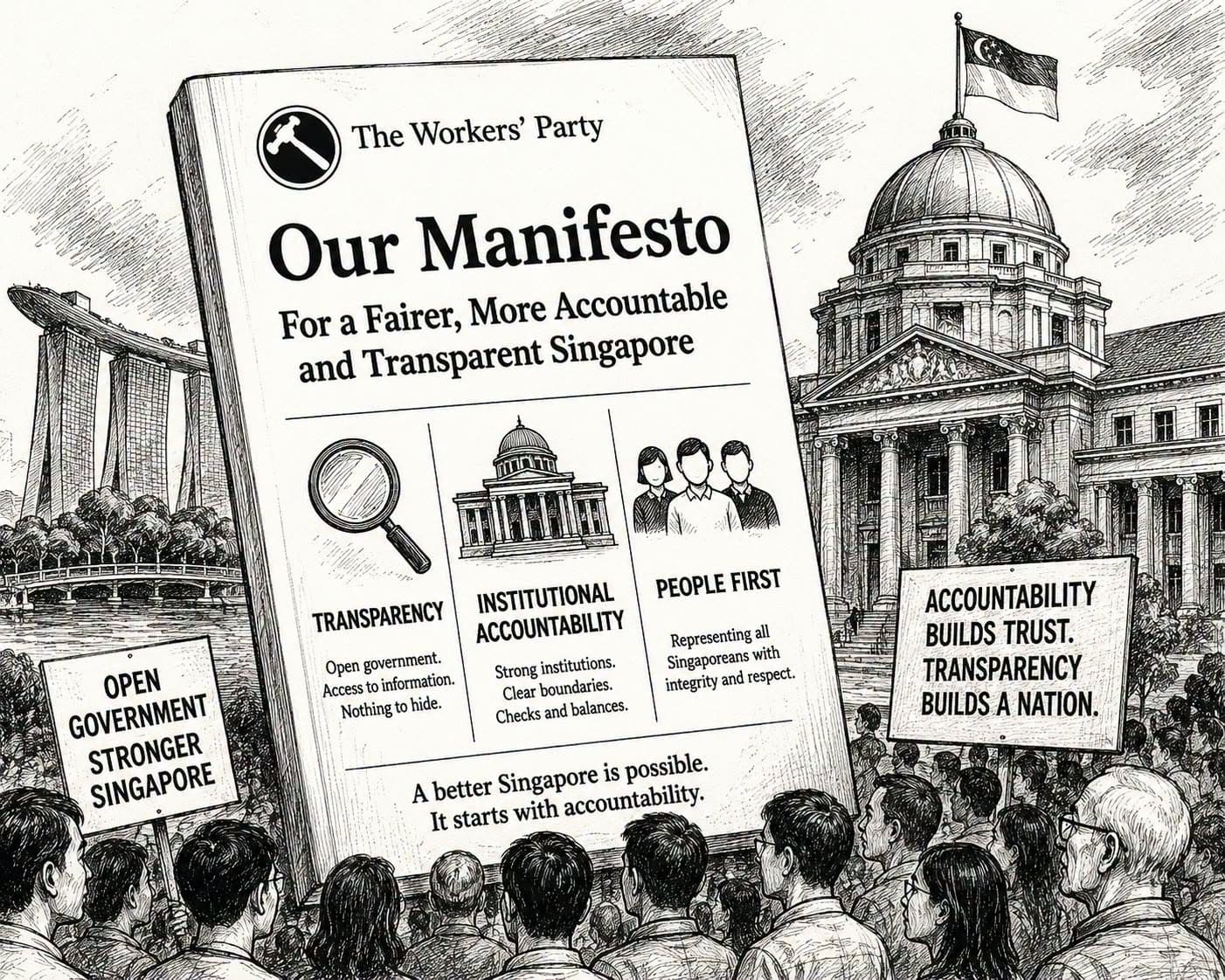
The recent Workers' Party confidence vote has introduced many Singaporeans to a political term they may never have encountered before: the cadre member.
𝐎𝐧𝐥𝐲 𝟏𝟎𝟕 𝐜𝐚𝐝𝐫𝐞 𝐦𝐞𝐦𝐛𝐞𝐫𝐬 𝐚𝐭𝐭𝐞𝐧𝐝𝐞𝐝 𝐭𝐡𝐞 𝐜𝐨𝐧𝐟𝐞𝐫𝐞𝐧𝐜𝐞. Around 79% voted to express confidence in the party's leadership.
The result itself is not the interesting part.
The number is.
Most people instinctively understand democracy as "one member, one vote."
A cadre system is different. Not every party member gets to decide who leads the party. Instead, only a selected group of trusted members has that privilege.
There is nothing inherently wrong with this.
In fact, many organisations work this way. Company boards elect CEOs. Clubs appoint committees. Professional bodies rely on councils rather than referendums. The argument is straightforward: experienced members are better placed to choose leaders than the general membership.
But every governance system involves trade-offs.
𝐓𝐡𝐞 𝐬𝐦𝐚𝐥𝐥𝐞𝐫 𝐭𝐡𝐞 𝐯𝐨𝐭𝐢𝐧𝐠 𝐩𝐨𝐨𝐥, 𝐭𝐡𝐞 𝐠𝐫𝐞𝐚𝐭𝐞𝐫 𝐭𝐡𝐞 𝐢𝐧𝐟𝐥𝐮𝐞𝐧𝐜𝐞 𝐨𝐟 𝐞𝐚𝐜𝐡 𝐢𝐧𝐝𝐢𝐯𝐢𝐝𝐮𝐚𝐥 𝐯𝐨𝐭𝐞.
A party with 20,000 voting members requires thousands of people to change its direction. A party with just over a hundred voting members requires only dozens.
This is not an accusation, it's just math.
Political scientists sometimes call this the "selectorate." The smaller the selectorate, the easier it becomes for organised factions, personal relationships and internal alliances to shape leadership outcomes.
𝐖𝐡𝐨 𝐜𝐡𝐨𝐨𝐬𝐞𝐬 𝐭𝐡𝐞 𝐩𝐞𝐨𝐩𝐥𝐞 𝐰𝐡𝐨 𝐠𝐞𝐭 𝐭𝐨 𝐜𝐡𝐨𝐨𝐬𝐞 𝐭𝐡𝐞 𝐥𝐞𝐚𝐝𝐞𝐫𝐬?
Cadre members are appointed based on clear criteria. The appointments are opaque, concentrated in the hands of a few individuals. It may even be to reward loyalty over independent judgement.
Another consideration is the treatment of disagreement.
Political parties naturally require discipline. No organisation can function if every disagreement spills into public view.
But there is a difference between discipline and conformity.
𝐎𝐛𝐬𝐞𝐫𝐯𝐞𝐫𝐬 𝐡𝐚𝐯𝐞 𝐩𝐨𝐢𝐧𝐭𝐞𝐝 𝐭𝐨 𝐟𝐨𝐫𝐦𝐞𝐫 𝐖𝐨𝐫𝐤𝐞𝐫𝐬' 𝐏𝐚𝐫𝐭𝐲 𝐟𝐢𝐠𝐮𝐫𝐞𝐬 𝐬𝐮𝐜𝐡 𝐚𝐬 𝐃𝐚𝐧𝐢𝐞𝐥 𝐆𝐨𝐡, 𝐘𝐮𝐝𝐡𝐢𝐬𝐡𝐭𝐡𝐫𝐚 𝐍𝐚𝐭𝐡𝐚𝐧 𝐚𝐧𝐝 𝐘𝐞𝐨 𝐏𝐞𝐢 𝐘𝐢𝐧𝐠, 𝐚𝐥𝐥 𝐟𝐨𝐫𝐦𝐞𝐫 𝐥𝐨𝐧𝐠 𝐭𝐢𝐦𝐞 𝐖𝐏 𝐦𝐞𝐦𝐛𝐞𝐫𝐬 𝐰𝐡𝐨𝐦 𝐡𝐚𝐯𝐞 𝐫𝐞𝐬𝐢𝐠𝐧𝐞𝐝 𝐛𝐞𝐜𝐚𝐮𝐬𝐞 𝐨𝐟 𝐭𝐡𝐞 𝐑𝐚𝐞𝐞𝐬𝐚𝐡-𝐏𝐫𝐢𝐭𝐚𝐦 𝐩𝐫𝐨𝐛𝐥𝐞𝐦.
These are patterns. Though these patterns do not amount to proof, deserve examination.
This is why scrutiny should never be viewed as hostility.
If anything, 𝐨𝐩𝐩𝐨𝐬𝐢𝐭𝐢𝐨𝐧 𝐩𝐚𝐫𝐭𝐢𝐞𝐬 𝐬𝐡𝐨𝐮𝐥𝐝 𝐰𝐞𝐥𝐜𝐨𝐦𝐞 𝐭𝐡𝐞 𝐬𝐚𝐦𝐞 𝐬𝐭𝐚𝐧𝐝𝐚𝐫𝐝𝐬 𝐨𝐟 𝐠𝐨𝐯𝐞𝐫𝐧𝐚𝐧𝐜𝐞 𝐭𝐡𝐚𝐭 𝐭𝐡𝐞𝐲 𝐝𝐞𝐦𝐚𝐧𝐝 𝐨𝐟 𝐭𝐡𝐞 𝐆𝐨𝐯𝐞𝐫𝐧𝐦𝐞𝐧𝐭.
The Worker's Party is not small. Yet the Workers' Party does not publicly disclose its total general membership numbers.
If the future leadership of a major political party can effectively be decided by just over one hundred people, the public is entitled to ask questions.
How were those one hundred were selected? What safeguards exist against concentration of power, and whether the system remains fit for purpose.
If a party asks for fairness, accountability and transparency, then they should offer the same thing as well.