𝐒𝐢𝐧𝐠𝐚𝐩𝐨𝐫𝐞, 𝐘𝐨𝐮’𝐥𝐥 𝐛𝐞 𝐎.𝐊. — that’s what Parliament’s AI motion means.
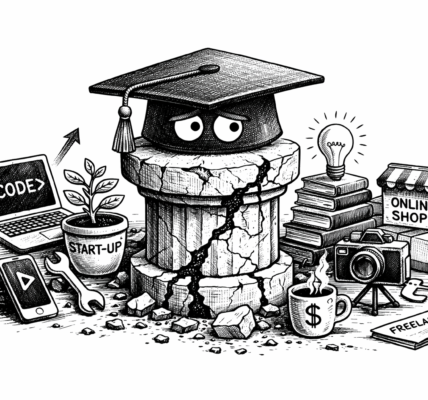
First, NTUC’s Progressive Wage Model took care of “growthless jobs”.
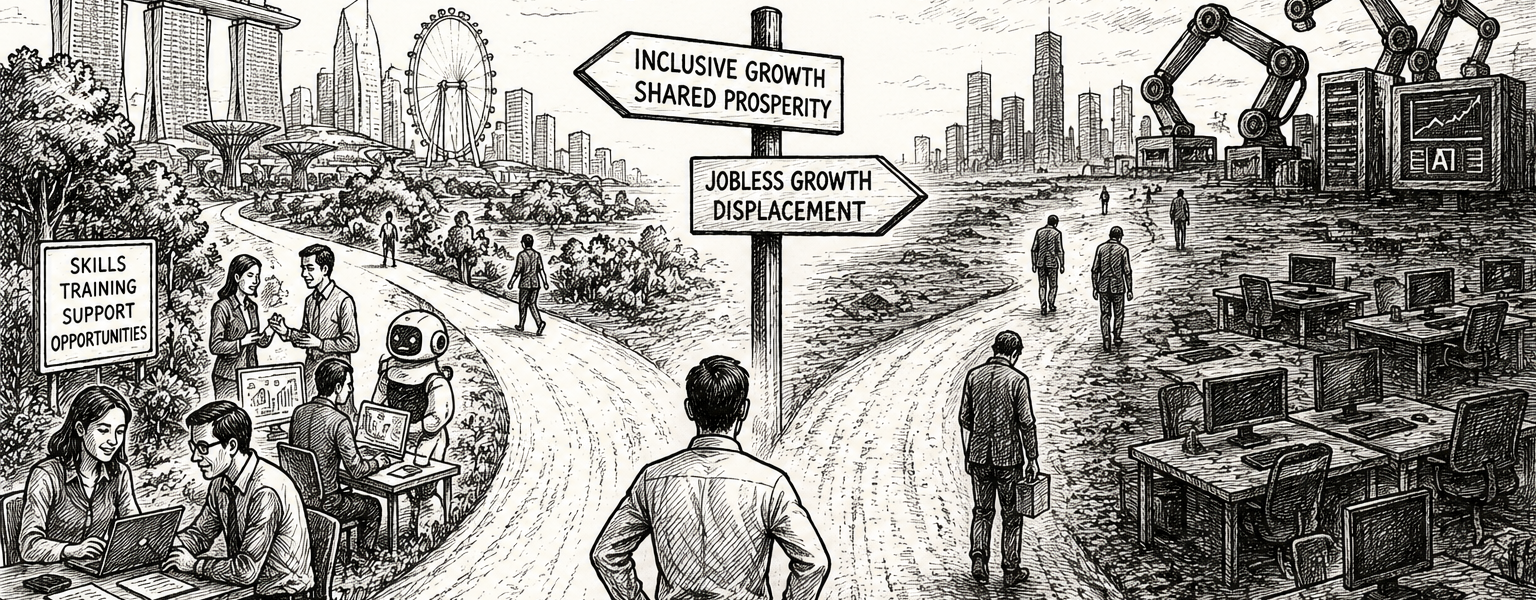
Today, Ng Chee Meng 黄志明 led the first of 24 speeches to stand against “jobless growth”. AI is already changing the texture of job hiring and jobs.
This is not at all hypothetical. Customer service jobs are being replaced by chatbots tackling Tier 1 queries. Junior roles for coders are being compressed.
But.
But. But. But.
Jobs are not disappearing wholesale yet. Only parts of jobs are — and these are largely entry level jobs, or stuff that you would have subcontracted to a freelancer or a low cost country. Hence to a lay person, the losses are not definitive.
To a government however, alarm bells better be going off.
Firstly, there are silent job losses. When an employer finds that machines can do certain parts of work, the role just doesn’t get created. Maybe there will be no more “marketing executive” roles in the future, as these get subsumed under sales (or vice versa). Entry-level workers are most concerning. Because if graduates don’t get entry level jobs, then how are they going to ever step on the career ladder?
Mid-Tier PMEs who used to pride themselves on knowledge, analysis, organisation and strategy are going to find their skills devalued by AI. In two seconds I can get AI to plot a Theory of Change for whatever objective I want. In a few minutes, I can get PhD quality research and if I allow the agent more time, I can even get research methods executed automatically through simple commands via Telegram.
Again, but.
But. But. But.
Humans are extremely creative beings. 𝐖𝐞 𝐚𝐫𝐞 𝐠𝐨𝐢𝐧𝐠 𝐭𝐨 𝐜𝐫𝐞𝐚𝐭𝐞 𝐧𝐞𝐰 𝐢𝐧𝐝𝐮𝐬𝐭𝐫𝐢𝐞𝐬 𝐨𝐮𝐭 𝐨𝐟 𝐭𝐡𝐢𝐬 𝐦𝐞𝐬𝐬, 𝐛𝐞𝐥𝐢𝐞𝐯𝐞 𝐲𝐨𝐮 𝐦𝐞. This may take time, but we will find a way.
Society is going to need aggressive intervention to spark these new industries and hire people.
Thus, Ng Chee Meng and the commitment by the rest of Parliament is important. 𝐈𝐭 𝐟𝐨𝐫𝐦𝐚𝐥𝐢𝐳𝐞𝐬 𝐚 𝐧𝐚𝐭𝐢𝐨𝐧𝐚𝐥 “𝐫𝐞𝐝 𝐥𝐢𝐧𝐞”, 𝐭𝐡𝐞 𝐥𝐢𝐧𝐞 𝐭𝐡𝐚𝐭 𝐦𝐮𝐬𝐭 𝐧𝐨𝐭 𝐛𝐞 𝐜𝐫𝐨𝐬𝐬𝐞𝐝.
For example: robo-taxis. They are a real thing, but we don’t see them in Singapore yet.
Why?
Because allowing this technology right now is going to devastate the driver’s livelihood, at the expense of a handful of tech companies.
This is jobless growth. This is undesirable.
𝐁𝐮𝐭 𝐜𝐚𝐧 𝐒𝐢𝐧𝐠𝐚𝐩𝐨𝐫𝐞 𝐡𝐨𝐥𝐝 𝐨𝐟𝐟 𝐫𝐨𝐛𝐨-𝐭𝐚𝐱𝐢𝐬 𝐟𝐨𝐫𝐞𝐯𝐞𝐫? 𝐀𝐥𝐬𝐨 𝐧𝐨𝐭 𝐩𝐨𝐬𝐬𝐢𝐛𝐥𝐞.
This is where NTUC’s position in AI transition comes in. It shapes a worker-protection framework around AI.
In short, transit as many drivers as possible before the robo-taxis come in. AI is going to eliminate some jobs.
Society will find its feet, but in the short term, fewer workers are going to be needed. Ng Chee Meng’s motion alone is not going to solve this, but it assures all workers that the system must work and the government is firmly at the steering wheel.